

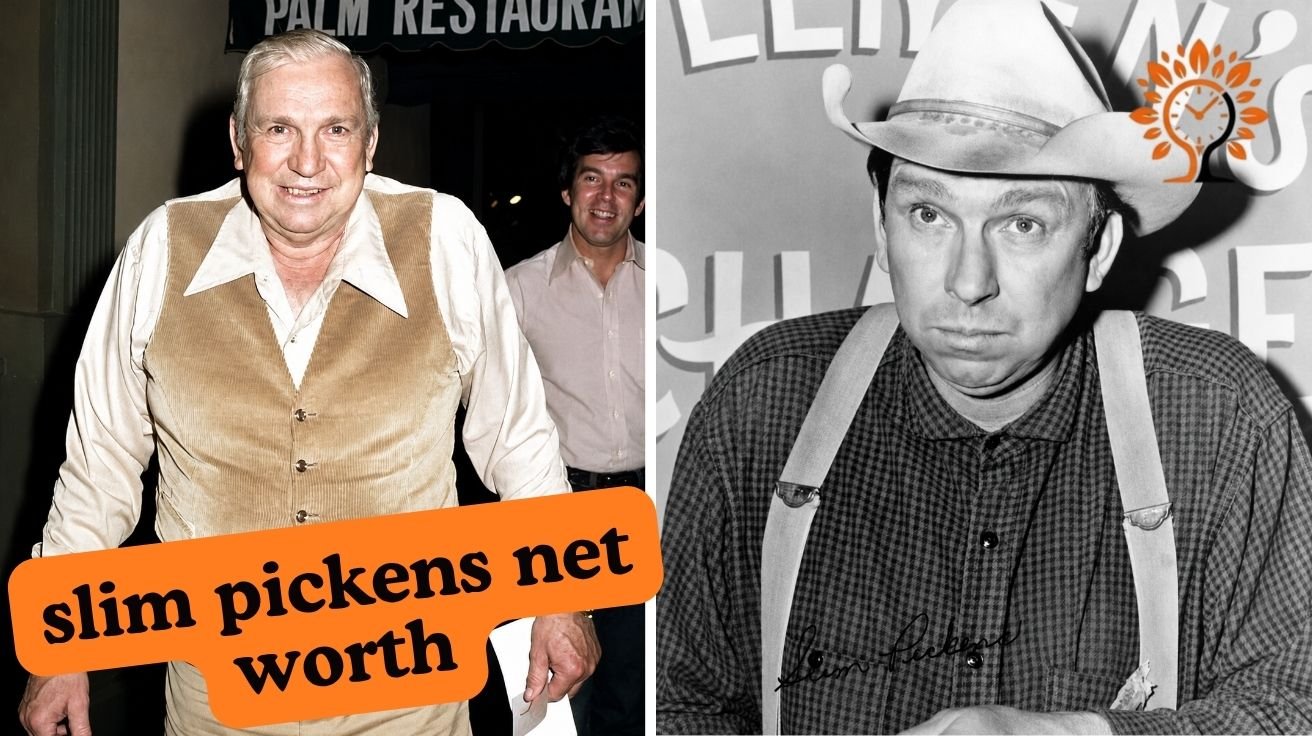
Slim Pickens built one of Hollywood’s most distinctive cowboy careers by turning genuine rodeo experience into nearly four decades of film and television work. Born Louis Burton Lindley Jr., he became recognised for his rugged appearance, unmistakable Western drawl, comic timing, riding ability, and memorable performances in Dr. Strangelove and Blazing Saddles.
Interest in Slim Pickens net worth continues because his career stretched from the rodeo circuit to major studio productions, popular television programmes, voice recordings, and live appearances. Rather than depending on a single blockbuster, Pickens created financial stability through consistent employment as an actor whose authentic cowboy skills made him especially valuable to Western filmmakers.
Quick Facts
| Field | Details |
|---|---|
| Full name | Louis Burton Lindley Jr. |
| Professional name | Slim Pickens |
| Date of birth | June 29, 1919 |
| Birthplace | Kingsburg, California, United States |
| Date of death | December 8, 1983 |
| Age at death | 64 years |
| Height | Approximately 6 feet 2½ inches or 1.89 metres |
| Occupations | Actor, rodeo performer, rodeo clown and bullfighter |
| Film debut | Rocky Mountain in 1950 |
| Wife | Margaret “Maggie” Harmon Lindley |
| Children | Daryle Ann, Thomas Michael and Margaret Louise |
| Brother | Samuel Lindley, known professionally as Easy Pickens |
| Financial foundation | Rodeo work, films, television and entertainment appearances |
Who Was Slim Pickens?
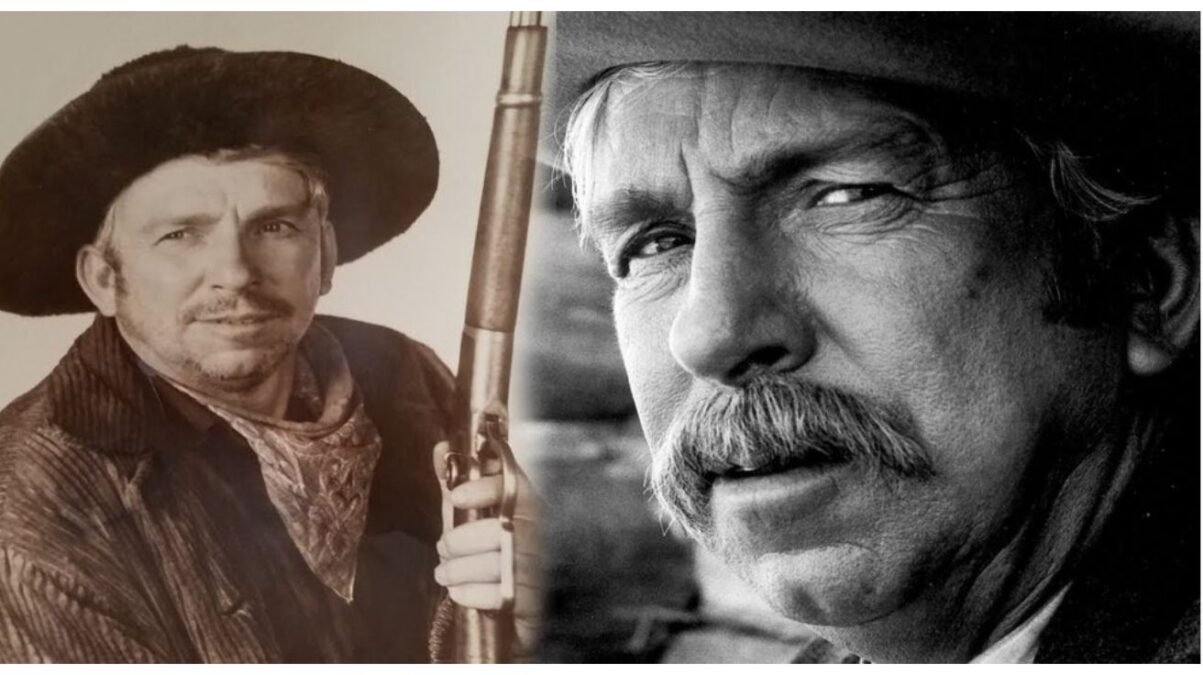
Slim Pickens was an American actor and professional rodeo performer born in Kingsburg, California, on June 29, 1919. He first earned recognition in rodeo before moving into films, where his natural horsemanship, weathered features, broad physical presence, and authentic speech helped him become one of the screen’s most recognisable cowboy character actors.
His career included Westerns, comedies, dramas, disaster films, television series, recordings, and variety entertainment. Pickens died on December 8, 1983, at age 64 after surgery for a brain tumour. His screen work remained popular because he could appear humorous, threatening, warm, eccentric, or authoritative without losing the genuine cowboy identity that defined his career.
Slim Pickens Net Worth and Financial Background
No authoritative probate record, studio accounting statement, or contemporary financial disclosure cited by major biographical sources establishes an exact value for Slim Pickens’ estate. Later websites often repeat precise figures, but those amounts are not supported by documented contracts, property records, residual statements, or a publicly cited estate inventory. A responsible assessment must therefore examine his established income sources rather than present an unsupported total.
Pickens nevertheless had a financially substantial entertainment career. He worked in films from 1950 until the early 1980s, appeared regularly on television, performed in rodeos, undertook voice and recording work, and became a familiar guest performer. His wealth was built through longevity and repeated employment, including studio Westerns, major productions, television episodes, recurring roles, and appearances extending across more than three decades.
Early Life on a California Dairy Farm
Louis Burton Lindley Jr. grew up on a dairy farm in Kingsburg, where riding and agricultural work were part of daily life. He developed strong equestrian skills while young but found farm routines restrictive. During his teenage years, he began entering rodeos, riding broncos and roping steers despite his father’s preference that he concentrate on farming.
The name Slim Pickens originated during those early competitions. To prevent his father from discovering that he had entered a rodeo, Lindley used a false name inspired by a remark suggesting that there would be “slim pickings” in prize money. The name remained with him throughout rodeo and Hollywood, eventually becoming far better known than his birth name.
Rodeo Career and Military Service
Before becoming an actor, Pickens spent years working as a rodeo clown, bullfighter and rider. He appeared at prominent events including the Calgary Stampede, Cheyenne Frontier Days, the Pendleton Round-Up and performances at the Cow Palace. Rodeo clowns protected fallen riders by drawing bulls away, making the occupation both physically demanding and dangerous.
Pickens also enlisted in the United States Army during World War II. According to a U.S. military profile, a recruiter misheard “rodeo” as “radio” when asking about his profession, leading to an assignment at an Army radio station in the Midwest. His wartime experience interrupted his rodeo career but added another distinctive chapter to his life before Hollywood.
Transition From Rodeo to Hollywood
Pickens entered films at a time when Hollywood produced large numbers of Westerns but employed many actors who needed stunt doubles for difficult riding scenes. His professional rodeo background distinguished him because he could ride, handle livestock, drive teams, perform falls, and move naturally around horses without appearing rehearsed. That practical ability reduced the gap between acting and stunt performance.
His recognised feature-film breakthrough came in Rocky Mountain, the 1950 Western starring Errol Flynn. The appearance opened the door to steady supporting roles, particularly as cowboys, scouts, deputies, ranch hands, drivers, comic companions, and villains. Directors valued the authenticity he brought to Western settings, while audiences responded to his expressive face and unmistakable voice.
Major Film Roles and Career Earnings
During the 1950s and 1960s, Pickens appeared in films such as The Sun Shines Bright, The Boy from Oklahoma, Tonka, One-Eyed Jacks, Major Dundee and the 1966 version of Stagecoach. These were usually supporting parts rather than leading roles, but their frequency allowed him to establish a dependable career within the studio and independent-film systems.
Later credits included The Cowboys, The Getaway, Pat Garrett and Billy the Kid, The Apple Dumpling Gang, Rancho Deluxe, The White Buffalo, Beyond the Poseidon Adventure, 1941 and Tom Horn. His earnings came from numerous individual contracts accumulated over decades, making career volume more important to his finances than any single disclosed salary.
Dr. Strangelove and International Recognition
Pickens achieved lasting international recognition in Stanley Kubrick’s 1964 black comedy Dr. Strangelove. He played Major T. J. “King” Kong, the enthusiastic commander of an American B-52 bomber. His direct, cowboy-style performance gave the film a distinctly American military character while supporting its satirical treatment of nuclear warfare and Cold War decision-making.
The film’s most famous image shows Pickens astride a falling nuclear bomb, waving his cowboy hat as though riding a bucking bronco. That sequence became one of cinema’s defining visual jokes and ensured that his work remained familiar to audiences beyond Western films. Rotten Tomatoes lists Dr. Strangelove as the highest-rated title among his film credits.
For more interesting topics, visit Park Times
Blazing Saddles and Later Career Success
A decade later, Pickens reached another broad comedy audience as Taggart in Mel Brooks’ Blazing Saddles. The character was a coarse railroad foreman working for the film’s villains, and Pickens delivered the exaggerated Western dialogue with the authority of someone who had spent years around genuine ranch and rodeo culture. His sincerity made the absurd comedy more effective.
The success of Blazing Saddles strengthened Pickens’ value as a character actor who could parody Western conventions while still representing them convincingly. During the same era, he moved between comedies, action films, family productions and darker dramas, demonstrating that his career was broader than the cowboy-sidekick image that had first brought him regular work.
Television Work and Additional Income
Television supplied another important stream of regular work. Pickens appeared in programmes including Gunsmoke, Bonanza, The Virginian, The Lone Ranger, Maverick, Route 66, Kung Fu, Hawaii Five-O and The Love Boat. These guest roles helped him remain visible while Western films gradually became less dominant at cinemas.
He also played recurring characters in programmes such as B. J. and the Bear and How the West Was Won. Near the end of his career, he became a regular performer on the country variety programme Hee Haw, where his voice, humour and established Western personality suited the show’s rural entertainment style.
Wife, Children, and Family Life
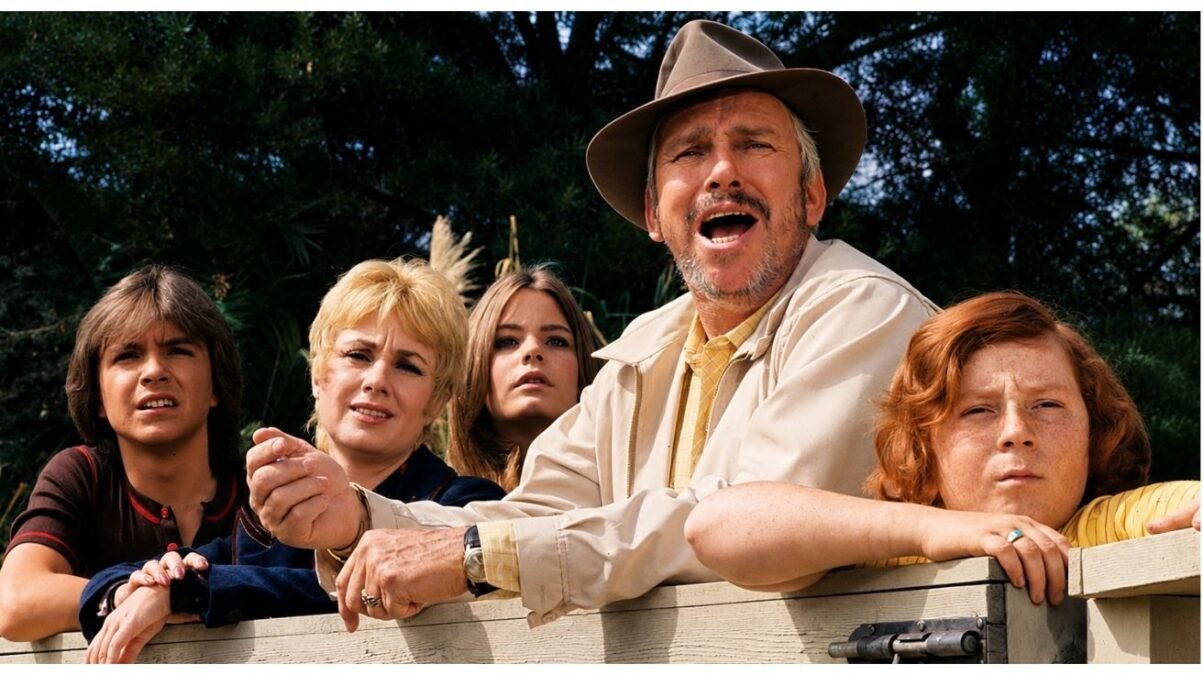
Pickens married Margaret Harmon, often called Maggie, in 1950. He raised her daughter Daryle Ann as his own, and the couple had two children together, Thomas Michael Lindley and Margaret Louise Lindley. His marriage lasted for the remainder of his life, providing stability throughout years of location filming, television appearances and entertainment travel.
His younger brother Samuel Lindley also became an actor and used the stage name Easy Pickens, creating a playful connection with Slim’s professional identity. Although Slim became the more widely recognised performer, his brother appeared in film and television and remained an enduring part of the family’s association with Western entertainment.
Height, Appearance, and Cowboy Image
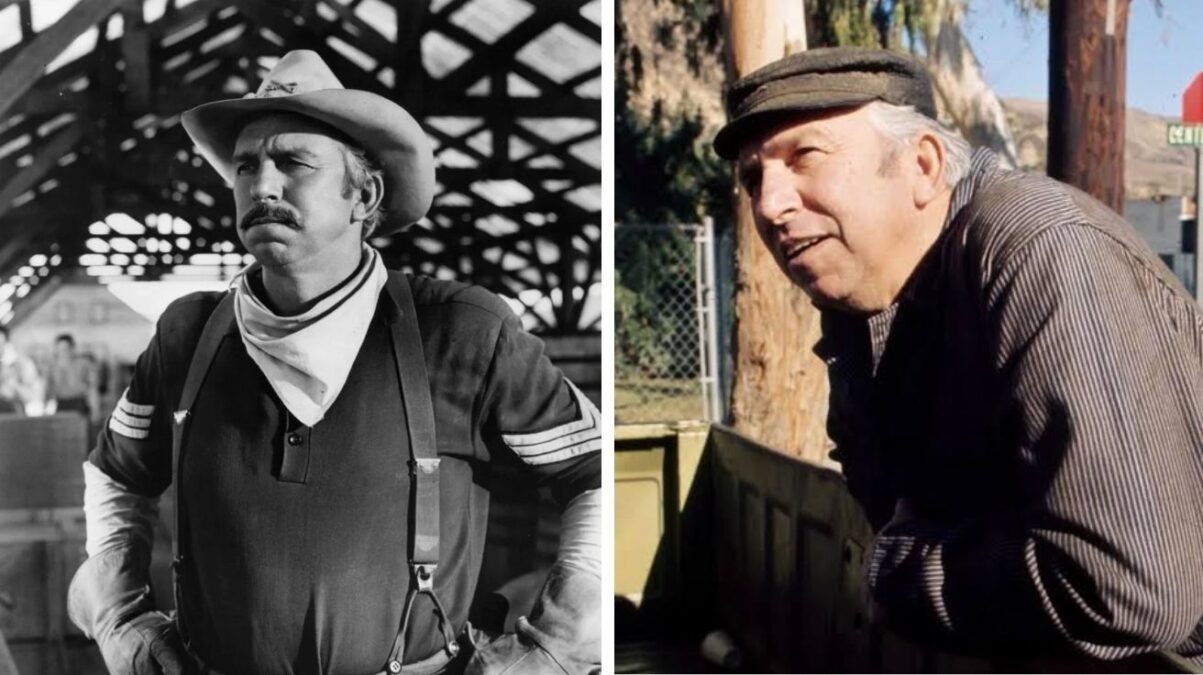
Slim Pickens stood approximately 6 feet 2½ inches or 1.89 metres tall. His height, broad frame, round expressive face and weathered appearance gave him a commanding screen presence. Combined with his hoarse voice and pronounced Western accent, these features made him instantly recognisable even when he appeared briefly in a supporting role.
His appearance was especially effective because it matched real experience. Pickens did not simply imitate a cowboy for the camera; he understood horses, rodeo timing, equipment and physical movement. That authenticity helped him perform riding scenes naturally and enabled directors to place him in demanding Western action without relying as heavily on doubles.
Final Years, Illness, and Death
In his later years, Pickens lived with his wife in Columbia, California, within travelling distance of the Central Valley region where he had grown up. He continued acting into the early 1980s, including film and television work that maintained his connection with audiences long after the peak era of theatrical Westerns had passed.
Pickens underwent surgery for a brain tumour and died in a Modesto hospital on December 8, 1983. He was 64 years old. His funeral was held at the Presbyterian Church of the Forty Niners in Columbia, and his ashes were scattered over favourite trail areas, an appropriate final connection to the outdoor life that had shaped him.
Awards, Recognition, and Cultural Legacy
Pickens received significant recognition from organisations preserving Western and rodeo history. He was inducted into the Western Performers Hall of Fame in 1982, followed by posthumous induction into the Rodeo Historical Society’s Rodeo Hall of Fame in 1986 and the ProRodeo Hall of Fame in 2005.
Further honours came from the Pendleton Round-Up and Happy Canyon Hall of Fame in 2006 and the Ellensburg Rodeo Hall of Fame in 2020. His legacy also survives through repeated screenings, home-media releases and references to the bomb-riding scene from Dr. Strangelove, which remains inseparable from his public image.
Interesting Facts About Slim Pickens
- Slim Pickens began entering rodeos as a teenager and used his stage name partly to hide those appearances from his father.
- He worked as a rodeo clown and bullfighter, occupations requiring him to distract dangerous animals from fallen competitors.
- A military recruiter reportedly heard “radio” when Pickens said “rodeo,” resulting in his assignment to an Army radio station.
- His bomb-riding scene in Dr. Strangelove became one of the most recognisable images in twentieth-century film comedy.
- His younger brother acted under the matching professional name Easy Pickens.
Conclusion
Slim Pickens’ financial story is best understood through his exceptional professional longevity rather than an unsupported internet estimate. He earned money through rodeo performance, films, television, variety entertainment and related appearances, building a durable career from practical skills that could not be easily duplicated by conventional actors.
His greater legacy rests in the personality he brought to the screen. From Rocky Mountain and One-Eyed Jacks to Dr. Strangelove and Blazing Saddles, Pickens transformed authentic cowboy experience into memorable entertainment and secured a permanent place in both Hollywood history and American rodeo culture.
FAQs
What was Slim Pickens’ net worth?
No authoritative estate valuation establishes a precise figure; his wealth came from decades of rodeo, film and television work.
What was Slim Pickens’ real name?
Slim Pickens was born Louis Burton Lindley Jr. on June 29, 1919, in Kingsburg, California, and adopted his stage name in rodeo.
How tall was Slim Pickens?
Slim Pickens was approximately 6 feet 2½ inches or 1.89 metres tall, supporting his strong and recognisable screen presence.
Who was Slim Pickens’ wife?
He married Margaret Harmon Lindley in 1950, and they remained together until his death in California on December 8, 1983.
What was Slim Pickens best known for?
He was best known for Dr. Strangelove, particularly the famous scene in which Major Kong rides a falling nuclear bomb.
Read More: Meet Pearlyn Goh Kun Shan, Mother of Actress Jessica Henwick
