

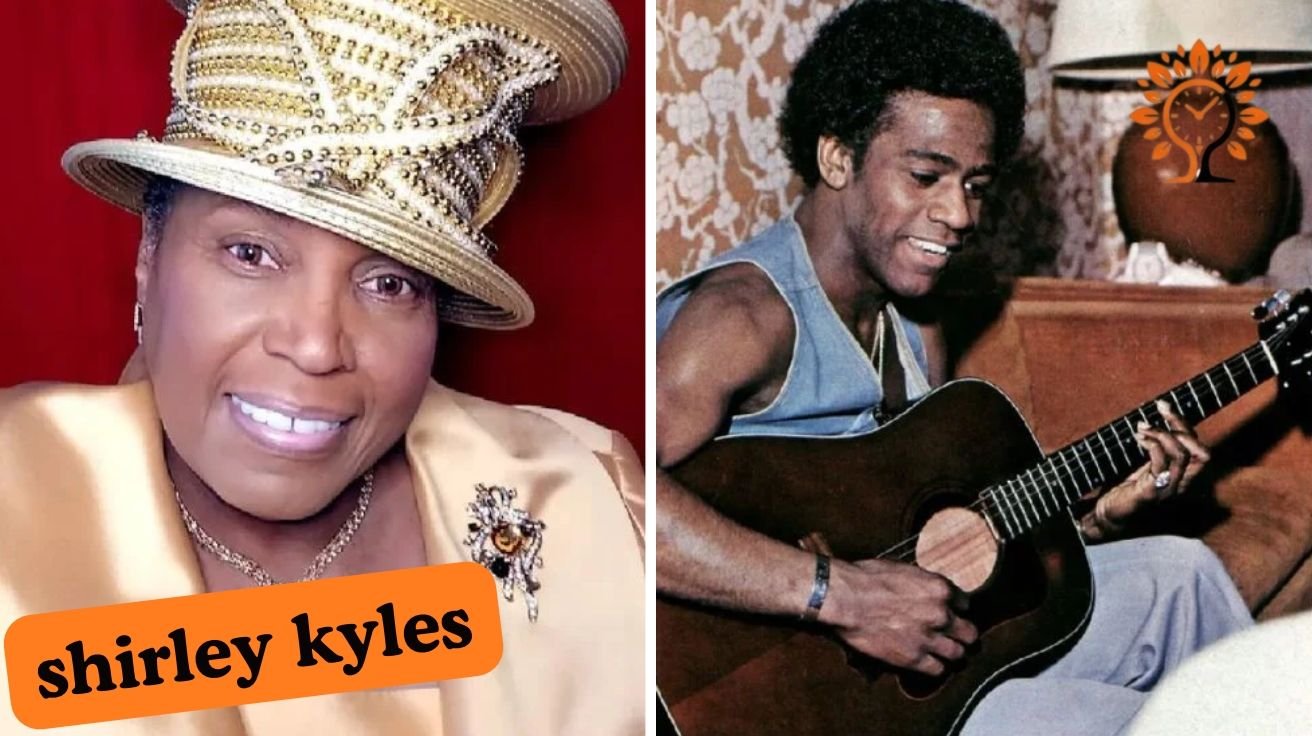
In 1970s Memphis, soul music and gospel were closely connected, and few artists embodied that intersection more visibly than Al Green. Shirley Kyles entered his world through her own work in church music, not simply through celebrity. She was a minister of music at Mount Vernon Missionary Baptist Church, a backing vocalist, and an administrator at Green’s Full Gospel Tabernacle Church.
Their marriage began in June 1977 and ended in February 1983 after years of serious conflict. In 1995, Kyles spoke publicly about the physical abuse she said she experienced, explaining that faith had helped her endure it. Her story offers a different perspective on Green’s gospel years, bringing together music, marriage, motherhood, and the difficult decision to speak about domestic violence.
Quick Facts
| Field | Details |
|---|---|
| Full name | Shirley Anne Watts Kyles Green |
| Other name | Shirley Green |
| Nationality | American |
| Birthplace and upbringing | Chicago, Illinois area |
| Profession | Church musician and backing vocalist |
| Church role | Minister of music at Mount Vernon Missionary Baptist Church |
| Former husband | Al Green |
| Marriage date | June 15, 1977 |
| Divorce | February 1983 |
| Children with Al Green | Three daughters |
| Daughters | Alva, Rubi, and Kora |
| Previous family | Two children from an earlier marriage |
| Major public interview | The Washington Post, January 1995 |
Early Life, Musical Background, and Meeting Al Green
Shirley Kyles grew up in the Chicago area and developed a background in church music before entering Al Green’s personal life. A January 1995 profile in The Washington Post identified her as a singer and church music leader. She had also opened two concerts featuring Green in Memphis before the pair met personally, demonstrating that their professional worlds had already intersected.
Their first meeting took place in 1976 at Mount Vernon Missionary Baptist Church in Memphis, where Kyles served as minister of music. Green asked her to help assemble a backing group as he expanded his gospel performances. She later became an administrator at his Full Gospel Tabernacle Church. These roles establish that she brought musical and organizational experience to their relationship.
The 1974 Mary Woodson Tragedy and Green’s Gospel Direction
Green’s religious development began before he met Kyles. In 1973, he became a born-again Christian, according to his own later account. On October 18, 1974, Mary Woodson, a former companion, severely burned him with boiling grits while he was bathing at his Memphis home and subsequently died by suicide using his firearm. The incident became one of the most widely discussed turning points in his personal history.
Green later explained that the tragedy and his conversion were not connected in the simple way many biographies suggested: he had already become a Christian the previous year. He eventually established Full Gospel Tabernacle Church in Memphis in 1976 and pursued ministry alongside his music. This context helps explain why Kyles encountered him during a period of religious and professional change.
Shirley Kyles and Al Green’s Marriage
Kyles and Green married on June 15, 1977, in Memphis. Their wedding was a small ceremony held at a minister’s home. In a later interview, Kyles recalled that Green had spoken warmly about her before their marriage. The relationship initially combined romance with shared religious and musical responsibilities, but the couple’s private life soon became troubled.
Kyles told The Washington Post that the first serious incident occurred shortly after their wedding, following the death of Green’s father. She described repeated episodes of physical abuse, separations, and reconciliations. Green had a different account of some events, but he acknowledged under oath that he had struck his wife. The contrast between his public role as a minister and the allegations within the marriage became a central part of the story.
Abuse Allegations and the Divorce Proceedings
Kyles first filed for divorce in 1978, alleging physical abuse. The couple reconciled, and she withdrew that case the following year. In March 1981, she sought a warrant for Green’s arrest, alleging that he had beaten her and left her with a black eye and bruises. United Press International reported the filing on March 23, 1981, making it an important contemporaneous record of the dispute.
In sworn testimony associated with the divorce proceedings, Kyles described an alleged assault during pregnancy in 1978 in which she said Green struck her with a boot, causing head injuries that required stitches. Green admitted striking her on several occasions, while disputing aspects of her characterization of their relationship. A 1981 Washington Post report also documented a court injunction restricting contact between them while the dispute was pending. Their divorce was finalized in February 1983. The legal record should be read carefully: the allegations, Green’s sworn statements, and the final end of the marriage are distinct facts.
Why Shirley Kyles Spoke Out in 1995
For more than a decade after the divorce, Kyles remained largely outside the public spotlight. In January 1995, she spoke to The Washington Post about her experiences, explaining that the case of Nicole Brown Simpson had prompted her to tell her story. The renewed national discussion of domestic violence encouraged Kyles to speak about what she had endured rather than keep it private.
Her explanation was direct: “It’s about the abuse I went through. Prayer and faith is what sustained me.” She also made clear that her intention was not simply to attack her former husband, who remained the father of her children. The interview gave readers her own account of fear, reconciliation, isolation, and faith. It is a particularly valuable source because it records her perspective rather than relying entirely on later summaries of the marriage.
For more interesting topics, visit Park Times
Shirley Kyles’ Children and Family Responsibilities
Kyles and Green had three daughters together: Alva, Rubi, and Kora. The 1995 newspaper profile described the girls as living with their mother at the time. Kyles discussed the difficulties of raising them as a single parent after the divorce, including the financial and emotional pressures of family life. Motherhood was therefore not a side detail in her story; it shaped her choices during and after the marriage.
The same report also mentioned two children from Kyles’s previous marriage, establishing that she had family responsibilities before meeting Green. The available historical account focuses on her role as a parent and the circumstances in which she raised her children. It does not provide a reliable basis for attributing particular musical careers or public achievements to the daughters, so their significance here is their place in Kyles’s family history.
Shirley Kyles’ Role in Al Green’s Gospel Era
Kyles’s documented work with Green included singing backup and administering his church. These responsibilities placed her within the practical side of his transition toward gospel music and ministry. Her earlier experience leading music at Mount Vernon Missionary Baptist Church also helps explain why Green sought her assistance when he was assembling a backing group for his religious performances.
Green’s gospel discography includes The Lord Will Make a Way (1980), Higher Plane (1981), and Precious Lord (1982). These albums illustrate the musical direction of the years surrounding his marriage to Kyles. However, the published personnel listings for these recordings do not establish that Kyles performed on each album or served as their arranger. It is more accurate to describe her documented backing-vocal and church work than to assign her specific recording credits without supporting evidence.
Life After Divorce and Her Public Legacy
After the divorce, Kyles returned to the Chicago area where she had grown up. In 1995, she described finding greater peace while continuing to raise her daughters. Her account emphasized the difficulty of rebuilding a life after an abusive relationship, particularly while managing the responsibilities of single parenthood. It also showed that leaving a marriage did not automatically resolve every emotional or practical challenge.
Kyles’s lasting public significance rests on two connected parts of her life: her work in church music and her decision to speak about domestic abuse. Her story adds an important personal perspective to the history of Green’s religious career. It also illustrates the challenges faced by people whose private experiences become public only after years of silence. Her own words remain central to understanding what the marriage meant to her.
Interesting Facts About Shirley Kyles
- She had met Al Green professionally before meeting him personally. Kyles had opened two of his concerts in Memphis before their 1976 meeting at church.
- She held a leadership position in church music. Her role as minister of music preceded her marriage to Green.
- Her responsibilities extended beyond singing. She also worked as an administrator at Full Gospel Tabernacle Church.
- Her 1995 interview followed renewed attention to domestic violence. The Nicole Brown Simpson case prompted her to speak about her own experience.
- She returned to her hometown area after the divorce. The 1995 report described her as living in the Chicago area and raising her daughters.
Conclusion
Shirley Kyles’s biography is more than a chapter in Al Green’s personal history. She was a church music leader and backing vocalist before their marriage, and her work connected her to the gospel direction of his career. Their relationship ended after years of conflict, with divorce proceedings that included her allegations of physical abuse and Green’s sworn admission that he had struck her.
By speaking publicly in 1995, Kyles placed her experience on the record and explained the role that faith played in her life. Her story deserves attention not because it adds drama to a celebrity biography, but because it preserves the perspective of a woman whose musical work, family responsibilities, and testimony form an important part of the history surrounding Al Green’s gospel era.
FAQs
Who was Shirley Kyles?
Shirley Kyles was an American church musician, backing vocalist, and former wife of singer and minister Al Green. They married in 1977 and divorced in 1983.
When did Shirley Kyles meet Al Green?
They met in 1976 at Mount Vernon Missionary Baptist Church in Memphis, where Kyles served as minister of music.
How many children did Shirley Kyles have with Al Green?
They had three daughters: Alva, Rubi, and Kora. A 1995 newspaper profile also mentioned two children from Kyles’s earlier marriage.
Why did Shirley Kyles speak publicly in 1995?
The case of Nicole Brown Simpson prompted Kyles to discuss the abuse she said she had experienced and explain how prayer and faith helped sustain her.
What was Shirley Kyles’ role in Al Green’s gospel career?
Kyles worked as a backing vocalist and church administrator, helping with Green’s musical and religious activities during their relationship.
Read More: Milo Sebastian Sussman Biography, Age, Parents and Family
