

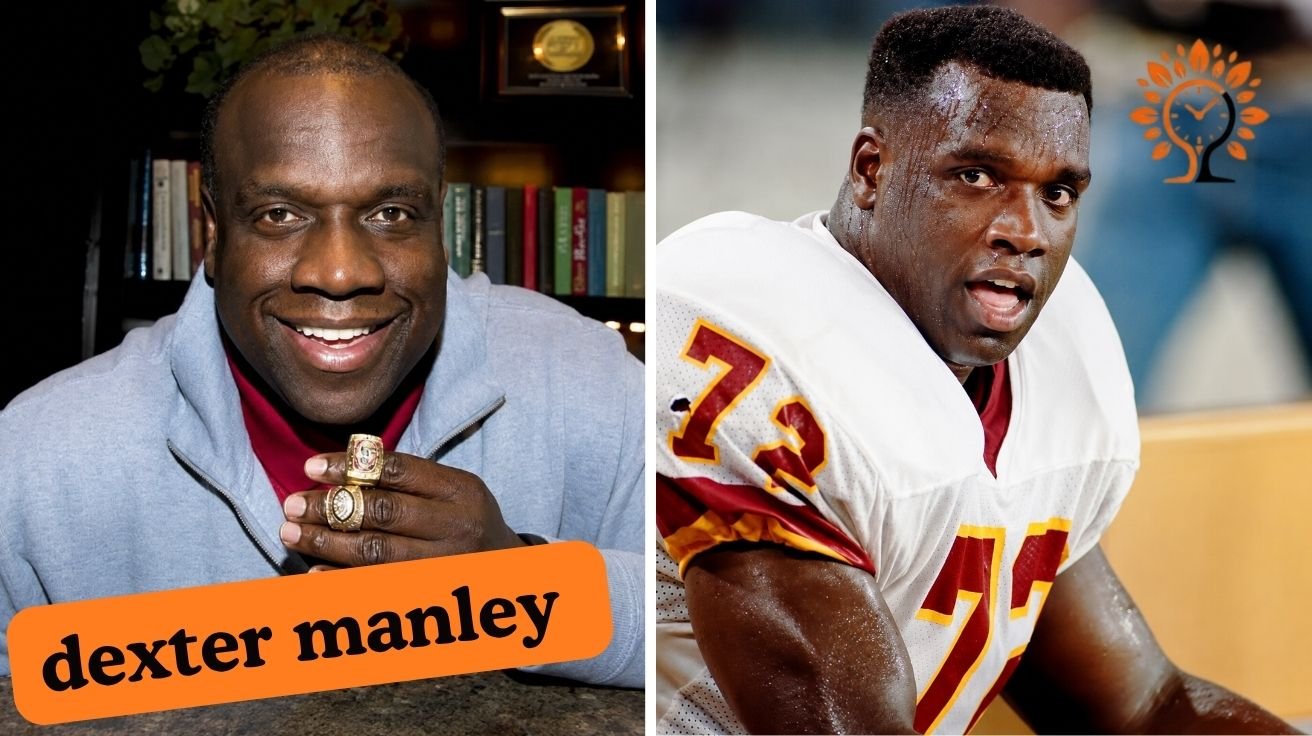
Dexter Manley is remembered as one of the most explosive defensive players in Washington football history. Known for his remarkable speed, physical strength, and aggressive pass-rushing ability, he became a feared opponent during the 1980s. His professional journey included two Super Bowl championships, 103.5 combined official and pre-1982 sacks, a Pro Bowl selection, and first-team All-Pro recognition.
His life away from football was equally eventful. Manley experienced addiction, league suspensions, imprisonment, literacy difficulties, and serious health problems. He later transformed those painful experiences into a message of recovery, education, responsibility, and second chances. His story is therefore not simply about football success; it is also about confronting personal weaknesses and rebuilding a meaningful life.
Quick Facts
| Field | Details |
|---|---|
| Full Name | Dexter Keith Manley |
| Date of Birth | February 2, 1959 |
| Age | 67 years old as of 2026 |
| Birthplace | Houston, Texas, United States |
| Nationality | American |
| Height | 6 feet 3 inches or 1.90 metres |
| Playing Weight | 253 pounds or 114 kilograms |
| Position | Defensive end |
| High School | Jack Yates High School |
| College | Oklahoma State University |
| NFL Draft | 1981, fifth round, 119th overall |
| Career Games | 143 NFL regular-season games |
| Major Achievement | Two-time Super Bowl champion |
Early Life and Childhood in Houston
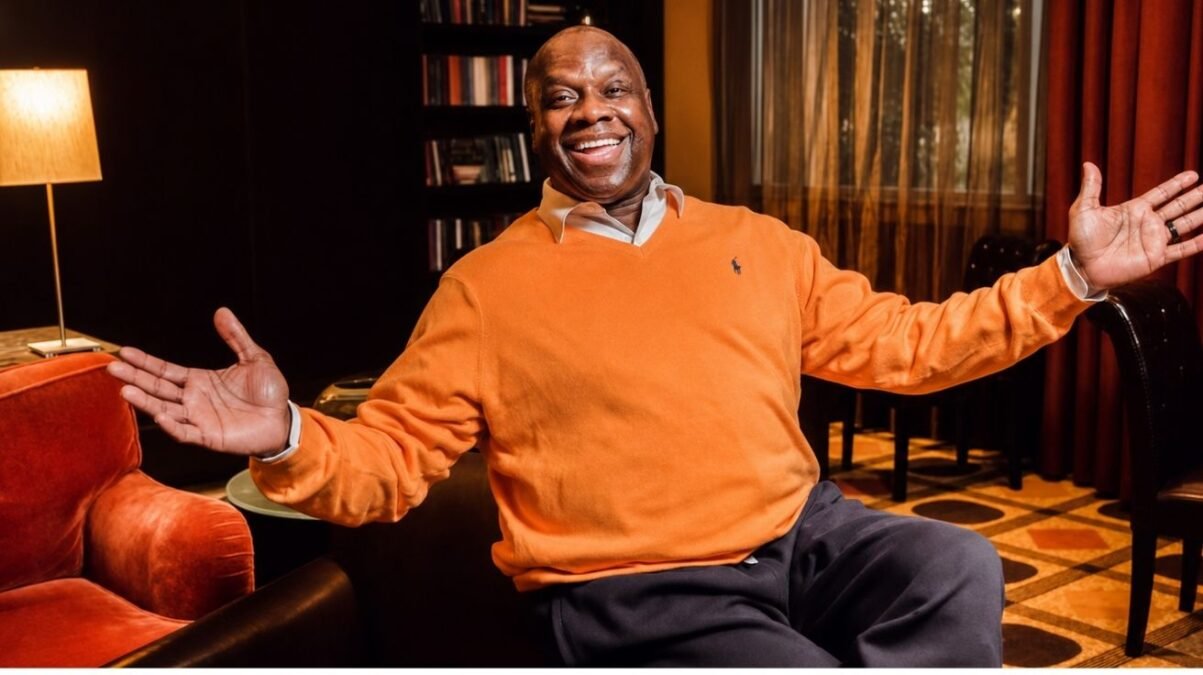
Dexter Keith Manley was born on February 2, 1959, in Houston, Texas. He grew up in Houston’s Third Ward and was the youngest of four children. His childhood environment demanded toughness and self-reliance, qualities that later became visible in his football personality. Sports offered him an important outlet and eventually created a route toward college and professional competition.
Manley attended Jack Yates High School, where his athletic ability began attracting attention. He possessed an unusual combination of size, speed, confidence, and physical power. Although education presented major personal challenges, his athletic talent created opportunities that would take him from Houston to Oklahoma State and eventually into the National Football League.
Education and His Hidden Literacy Struggle
Manley attended Oklahoma State University and played football for the Oklahoma State Cowboys. He developed into an impressive defensive prospect, but he later revealed that he had progressed through school while struggling severely with reading. He carried that secret into professional football because he felt embarrassed and feared how teammates, coaches, and the public might react.
His literacy struggle became one of the most significant parts of his later life story. After seeking assistance, he studied at The Lab School of Washington and worked to improve his reading skills. He subsequently spoke before Congress about his educational journey, using his experience to highlight how learning difficulties can remain hidden even among successful athletes.
College Football at Oklahoma State
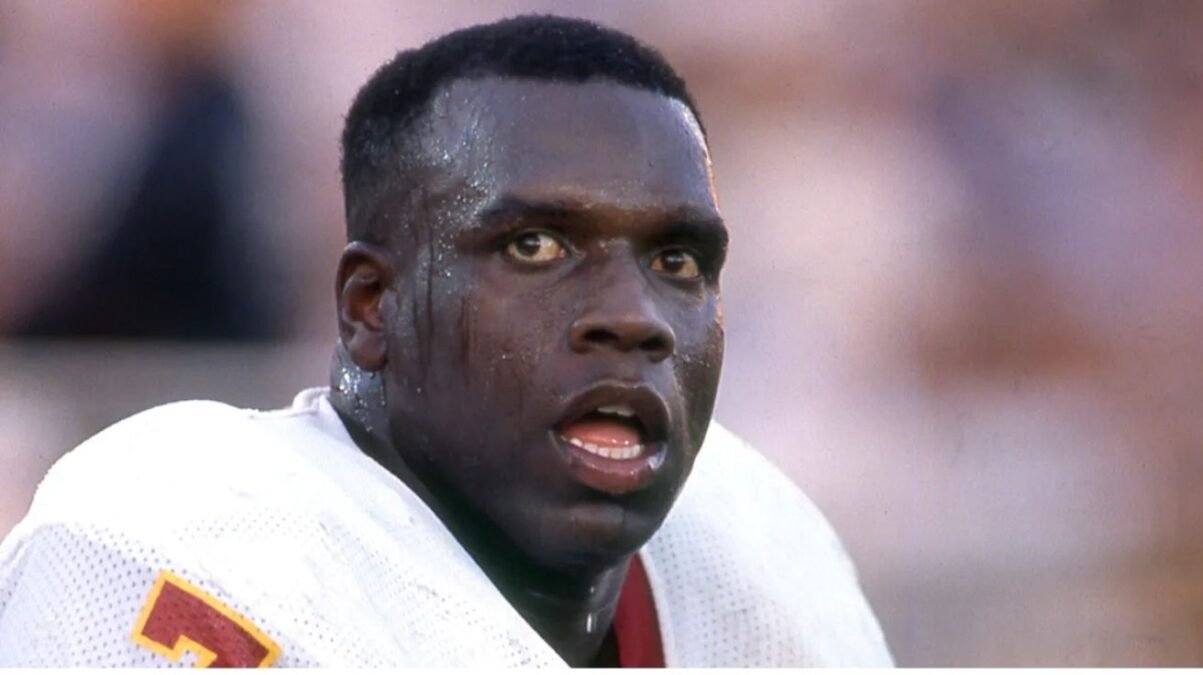
At Oklahoma State, Manley strengthened the athletic qualities that would later define his professional game. He developed as a defensive player capable of attacking from the edge, pursuing quarterbacks, and using speed against larger offensive linemen. His college experience gave him exposure to stronger competition and prepared him physically for the NFL.
Manley was not selected among the earliest prospects in his draft class, but Washington recognised the potential within his raw athleticism. His college career demonstrated that he possessed unusual explosiveness, although he still needed technical refinement. Washington eventually selected him with the 119th overall pick in the fifth round of the 1981 NFL Draft.
Entering the NFL With Washington
Washington’s decision to draft Manley in the fifth round became one of the organisation’s most productive selections of that era. He joined the team in 1981 and initially entered the league as a talented but developing defender. His speed quickly separated him from many conventional defensive ends, particularly when he attacked offensive tackles from the outside.
Manley spent his first nine NFL seasons with Washington, gradually becoming one of the defence’s defining personalities. He brought energy, confidence, and intimidation to the front line. His ability to pressure quarterbacks helped strengthen a team that regularly competed for division titles, playoff victories, and Super Bowl championships throughout the 1980s.
Rise as a Dominant Pass Rusher
Manley became especially dangerous because he combined a powerful frame with exceptional acceleration. At approximately 6 feet 3 inches and 253 pounds, he could challenge blockers physically while also beating them with speed. Washington described him as one of the most feared pass rushers of the 1980s, a reputation supported by several outstanding sack seasons.
His intensity made him difficult to control once he gained momentum. Manley could explode from his stance, turn the corner around an offensive tackle, or use strength to drive through a blocker. His emotional approach also energised teammates and spectators, particularly during important divisional games at Washington’s famously loud home stadium.
Partnership With Washington’s Defensive Front
Manley played alongside accomplished defenders such as Charles Mann, Dave Butz, Darryl Grant, and Monte Coleman. The balance within Washington’s defence allowed him to attack aggressively because opposing teams could not focus entirely on one player. Charles Mann provided pressure from the opposite side, while Washington’s interior defenders made it difficult for quarterbacks to step forward.
That defensive structure helped Manley maximise his greatest skill: reaching the quarterback. His partnership with Mann became especially memorable because both edge defenders could disrupt passing plays. Together, they contributed to a defensive identity based on physical football, relentless pressure, and strong performances in high-stakes postseason games.
Two Super Bowl Championships
Manley earned his first championship when Washington defeated the Miami Dolphins in Super Bowl XVII following the 1982 season. The game became famous for John Riggins’ fourth-down touchdown run, but Washington’s defence also played an essential role. Manley was part of the unit that helped contain Miami and complete the franchise’s first Super Bowl-winning season.
He captured another title when Washington defeated the Denver Broncos in Super Bowl XXII. After falling behind early, Washington produced one of the most memorable quarters in championship history and won convincingly. Manley’s two championship rings connected him permanently with one of the most successful periods in the franchise’s history.
Outstanding 1986 Season
The finest statistical campaign of Manley’s career came in 1986, when he recorded 18.5 official sacks. He finished second in the NFL behind Lawrence Taylor and earned his only Pro Bowl selection. His performance also brought first-team All-Pro honours, confirming his status as one of the league’s leading defensive players.
That season represented the perfect combination of his speed, power, confidence, and experience. Between 1983 and 1986, Manley averaged approximately 14.5 sacks per season, showing that his production was not limited to one exceptional year. His 1986 performance remains one of the signature individual seasons by a Washington defensive player.
Career Statistics and NFL Achievements
Official NFL records credit Manley with 97.5 sacks, because sacks did not become an official league statistic until 1982. Statistical reconstructions include six sacks from his 1981 rookie season, raising his complete career total to 103.5 sacks. He also appeared in 143 regular-season games and recorded two career interceptions.
His honours include two Super Bowl championships, one Pro Bowl selection, first-team All-Pro recognition in 1986, and second-team All-Pro recognition in 1987. Washington later named him among the franchise’s greatest players and placed him in its Ring of Fame, reflecting the lasting importance of his nine seasons with the team.
Playing Style and Physical Appearance
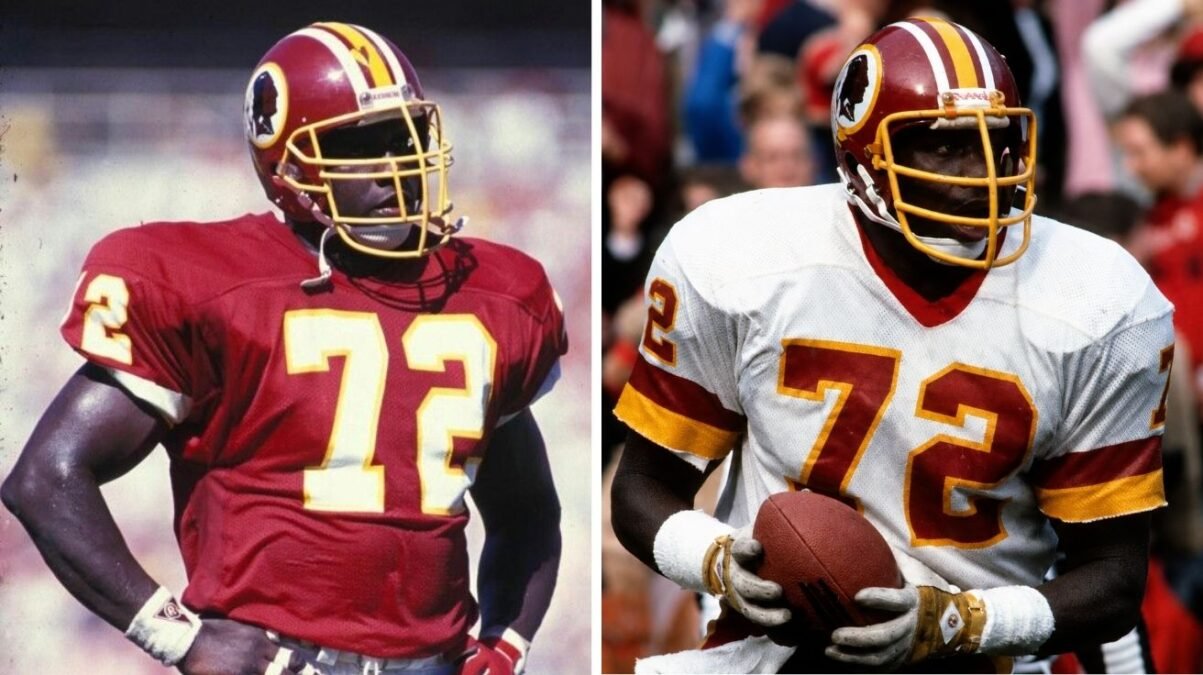
Manley possessed the classic physical build of a powerful defensive end. He stood 6 feet 3 inches tall and played at approximately 253 pounds. His muscular frame, broad shoulders, long reach, and explosive lower-body strength allowed him to absorb contact while pursuing quarterbacks. His physical presence appeared even more imposing because he played with visible emotion.
His game depended heavily on quickness and aggression. Rather than allowing blockers to establish control, he attempted to create immediate pressure from the snap. His speed around the edge forced offensive tackles to react quickly, while his strength allowed him to counter when opponents prepared primarily for his outside rush.
The “Secretary of Defense” Nickname
Manley became widely associated with the nickname “Secretary of Defense.” The title reflected both his position and his reputation as one of Washington’s most intimidating defensive figures. He appeared confident, outspoken, and highly competitive, especially before emotionally charged games against divisional opponents.
The nickname also suited the atmosphere surrounding Washington football during the 1980s. The team had a large national following, successful coaching under Joe Gibbs, and several recognisable personalities. Manley’s enthusiasm and dramatic playing style made him one of the most visible members of those championship teams.
Later NFL Career and Canadian Football
After leaving Washington, Manley continued his NFL career with the Phoenix Cardinals and Tampa Bay Buccaneers. His time with those teams was shorter and less productive than his peak years, but he still demonstrated his pass-rushing ability. In 1991, he recorded 6.5 sacks in 14 games for Tampa Bay.
Manley also extended his playing career in Canada. He played for the Ottawa Rough Riders during the 1992 and 1993 seasons and later joined the Shreveport Pirates. His Canadian football experience allowed him to remain connected to the sport after his NFL opportunities had narrowed.
Addiction, Suspensions and Career Setbacks
Substance abuse became the most damaging personal problem of Manley’s professional life. His cocaine addiction affected his judgment, relationships, finances, and football career. Repeated violations of the NFL’s substance-abuse rules led to suspensions and eventually ended his opportunity to continue playing in the league.
The consequences continued after football. His addiction contributed to legal problems, arrests, and imprisonment. These experiences created a painful contrast with the success he had enjoyed as a professional athlete. Manley later spoke openly about how addiction had taken control of his decisions and damaged the stability created by his football achievements.
Recovery and Personal Redemption
Manley’s recovery did not follow a simple or immediate path. He experienced setbacks before developing greater stability and accountability. His willingness to discuss those failures publicly became an important part of his redemption. Rather than presenting himself only as a former champion, he acknowledged the harm caused by his behaviour and the work required to rebuild his life.
His later message focused on second chances, personal responsibility, faith, education, and recovery. Manley’s openness gave his story relevance beyond football because it showed how achievement does not protect a person from addiction. It also demonstrated that meaningful change remains possible after severe personal and professional consequences.
For more interesting topics, visit Park Times
Marriage, Wife and Children

Manley is married to Lydia Manley, an engineer whom he married in 1997. Lydia became an important source of stability during difficult periods in his life. The couple later worked together on literacy initiatives, transforming one of Dexter’s most painful childhood struggles into a cause designed to support young readers.
He is the father of three children: Dalis, Dexter II, and Derrick. Family relationships became increasingly important during his recovery and health struggles. Before undergoing brain surgery in 2006, he contacted each of his children, illustrating the central place they held in his personal life.
Lifestyle After Professional Football
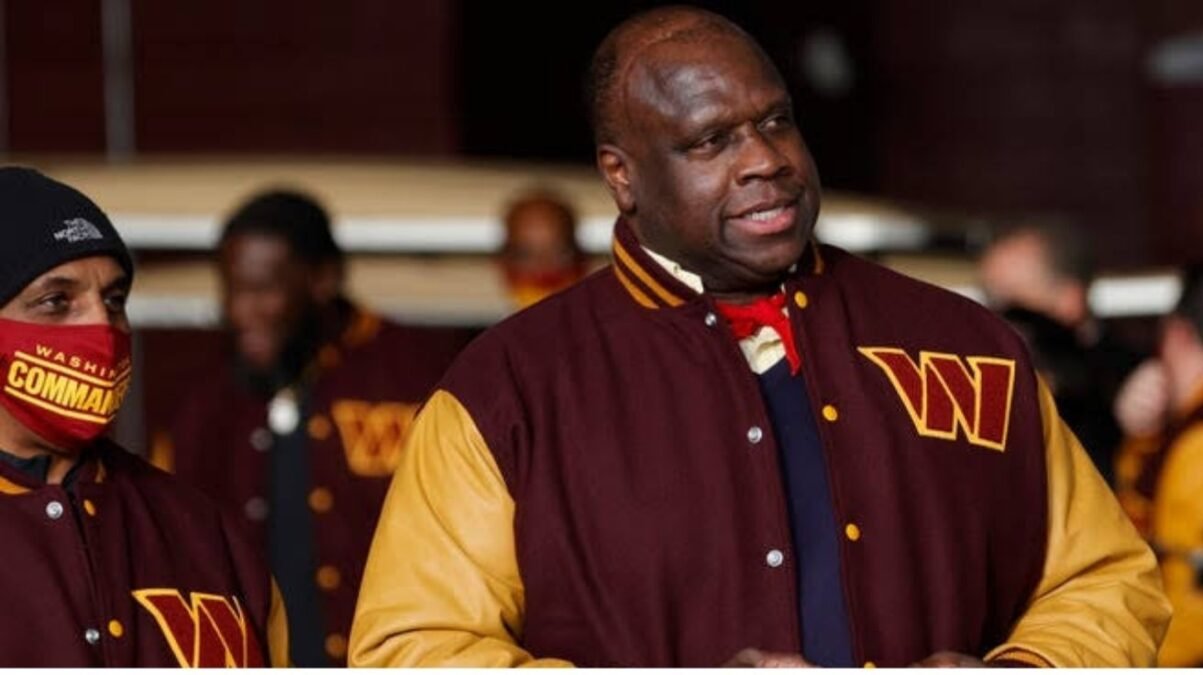
Manley’s lifestyle after football has centred more on family, health, public speaking, and community service than on the celebrity image of his playing years. He has remained connected to the Washington football community through alumni events, interviews, charitable appearances, and celebrations of the franchise’s championship history.
His later life also reflects a shift from physical competition toward service and reflection. Rather than avoiding discussion of his mistakes, he has used his experiences to speak about addiction, literacy, recovery, and responsibility. This approach has allowed him to build a public identity that includes both his football greatness and personal growth.
Brain Surgery and Health Challenges
In June 2006, Manley underwent surgery to remove a colloid cyst from his brain. He had first learned about the condition years earlier after collapsing in a department store. The surgery represented another serious challenge in a life already shaped by professional pressure, addiction, legal consequences, and recovery.
Manley later faced another health concern when he was hospitalised after testing positive for COVID-19 in May 2020. Reports from Washington indicated that he was making progress during his treatment. His recovery again brought messages of support from former teammates, fans, and members of the football community.
Literacy Advocacy and Charitable Work
Dexter and Lydia created the Dexter and Lydia Manley Foundation, which supports literacy resources and reading opportunities for children in Washington, D.C. The organisation’s mission reflects Dexter’s personal experience of advancing through school and college while carrying significant reading difficulties.
His advocacy gives his public legacy a purpose beyond football. By openly discussing literacy, Manley helps reduce the shame often experienced by children and adults with learning challenges. His journey from hiding his reading problems to supporting educational programmes represents one of the most meaningful transformations of his life.
Legacy in Washington Football
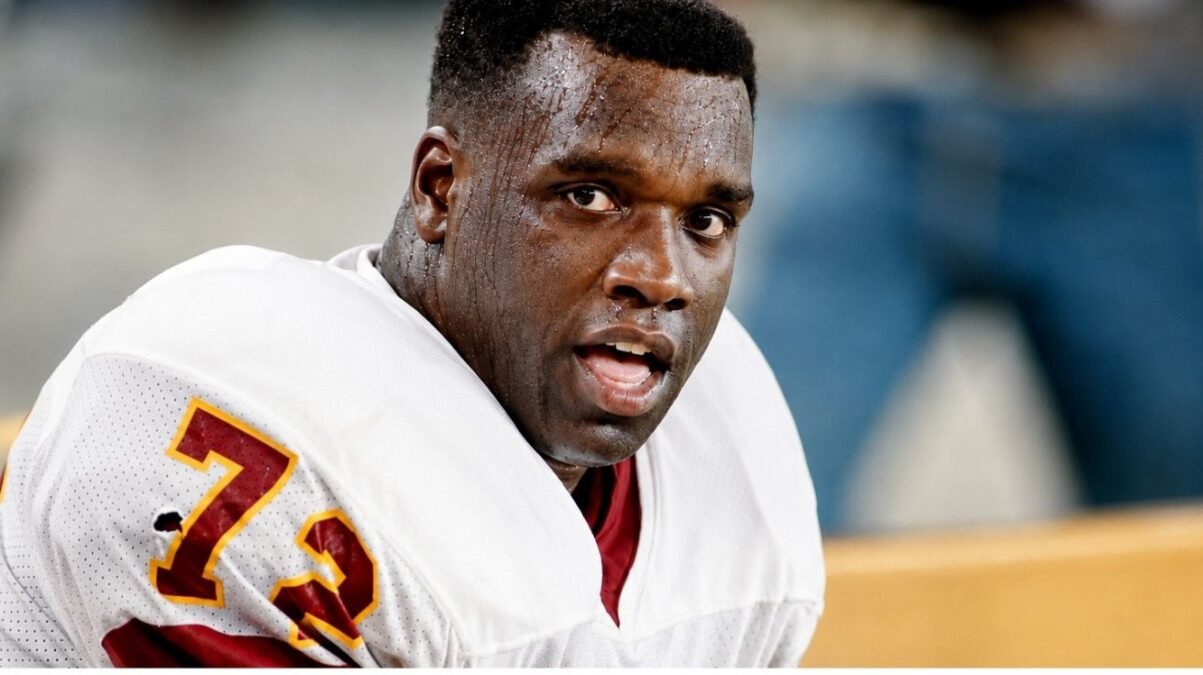
Manley remains a member of Washington’s Ring of Fame and has been recognised among the organisation’s greatest players. His nine seasons with the franchise produced championships, memorable rivalry games, elite pass-rushing statistics, and a reputation that remains strong among supporters who watched the team during the 1980s.
His statistical legacy requires historical context because sacks were not officially recorded during his rookie season. Including his reconstructed 1981 total gives him 103.5 career sacks, while his official figure remains 97.5. That distinction explains why different sources may display different totals without describing different careers.
Public Presence and Community Impact
Manley continues to make public appearances connected to Washington football and literacy advocacy. His foundation maintains an online presence to share its mission, fundraising activities, and educational events. His public work now places greater emphasis on reading opportunities and community development than on maintaining a conventional celebrity lifestyle.
Through interviews and speaking appearances, he discusses both the rewards and consequences of his life decisions. This honest approach has allowed audiences to view him as more than a former athlete. He represents the complexity of a person who reached the highest level of professional football, lost stability, and later worked to help others.
Interesting Facts About Dexter Manley
- Dexter Manley was selected in the fifth round of the 1981 NFL Draft but became one of the most productive players from his class.
- He won Super Bowl XVII and Super Bowl XXII during his nine seasons with Washington.
- His 18.5 sacks in 1986 earned him first-team All-Pro and Pro Bowl honours.
- His complete career total reaches 103.5 sacks when his pre-1982 rookie sacks are included.
- He turned his personal literacy struggle into the mission of the Dexter and Lydia Manley Foundation.
Conclusion
Dexter Manley’s NFL story is filled with extraordinary achievements. He developed from a fifth-round draft choice into a dominant defensive end, recorded more than 100 reconstructed career sacks, earned All-Pro recognition, and contributed to two Super Bowl-winning teams. His speed, power, and emotional intensity made him a defining figure of Washington’s championship era.
His personal journey gives those accomplishments a deeper meaning. Addiction, literacy struggles, legal problems, and health challenges tested him long after the cheering stopped. By embracing recovery and literacy advocacy, Manley created a second legacy based on honesty and service. His life demonstrates both the opportunities created by athletic talent and the courage required to rebuild after serious mistakes.
FAQs
How old is Dexter Manley?
Dexter Manley is 67 years old as of 2026. He was born on February 2, 1959, in Houston, Texas.
How tall is Dexter Manley?
Dexter Manley is 6 feet 3 inches tall and played professionally at approximately 253 pounds.
How many sacks did Dexter Manley record?
He recorded 97.5 official sacks, or 103.5 total sacks when his unofficial 1981 total is included.
How many Super Bowls did Dexter Manley win?
Dexter Manley won two championships, contributing to Washington’s victories in Super Bowls XVII and XXII.
Who is Dexter Manley’s wife?
Dexter Manley is married to Lydia Manley, his partner in literacy advocacy and charitable community work.
Read More: Ivan Cornejo Height, Age, and Rise in Regional Mexican Music
