

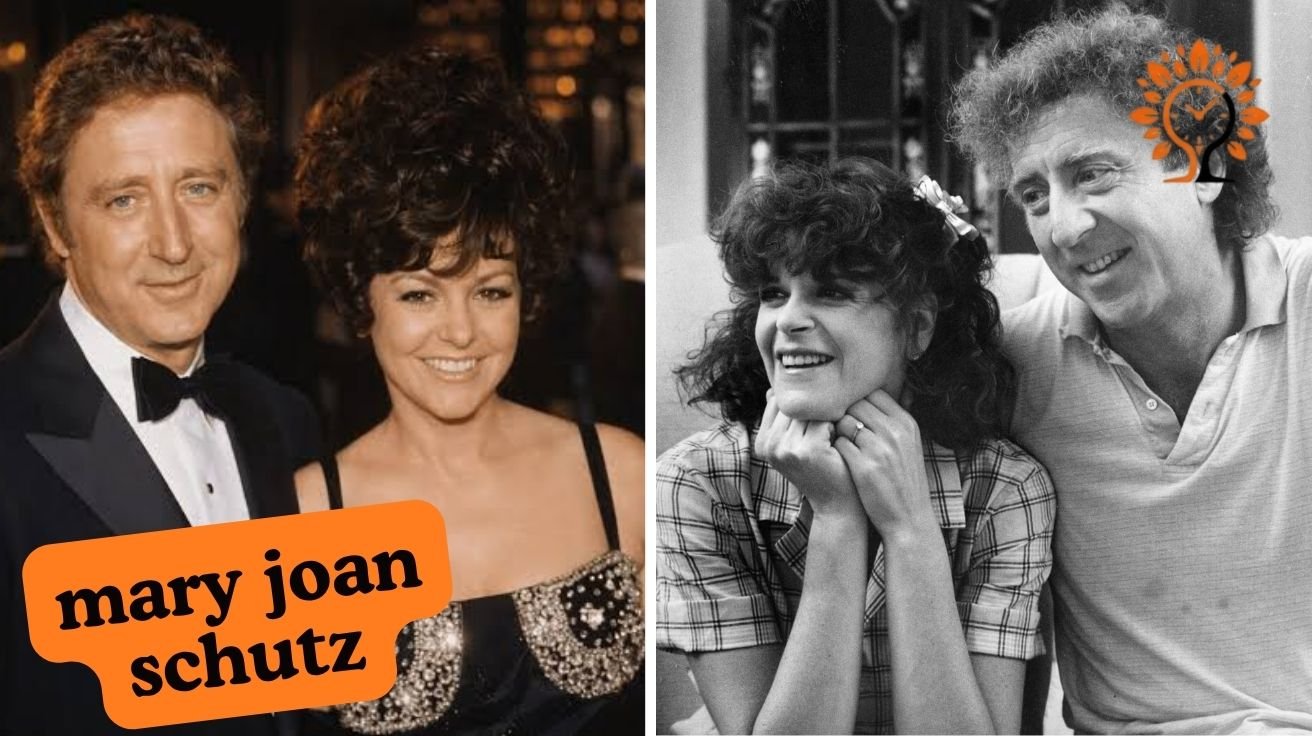
Mary Joan Schutz occupies a significant but private place in the life story of Gene Wilder, the celebrated actor, comedian, writer, and filmmaker. She became Wilder’s second wife in 1967, bringing her daughter Katharine into the relationship. Their marriage created Wilder’s only legally recognized parent-child bond and lasted through some of the most important years of his career.
Unlike Wilder, Mary did not build her identity through films, television appearances, or a documented entertainment career. Biographical references focus instead on her role as Wilder’s spouse, Katharine’s mother, and a member of the blended family formed in 1967. Her story is therefore best understood through confirmed family events rather than unsupported financial or physical statistics.
Quick Facts
| Field | Details |
|---|---|
| Full name | Mary Joan Schutz |
| Best known for | Being Gene Wilder’s second wife |
| Former spouse | Gene Wilder |
| Wilder’s birth name | Jerome Silberman |
| Marriage date | October 27, 1967 |
| Marriage ended | 1974 |
| Marriage duration | Approximately seven years |
| Daughter | Katharine |
| Katharine’s biological parent | Mary Joan Schutz |
| Katharine’s adoptive father | Gene Wilder |
| Adoption year | 1967 |
| Connection to Wilder | Friend of Wilder’s sister |
| Associated career period | Wilder’s major breakthrough years |
Who Is Mary Joan Schutz?
Mary Joan Schutz is principally known through her marriage to Gene Wilder, whose performances in The Producers, Willy Wonka & the Chocolate Factory, Blazing Saddles, and Young Frankenstein made him one of American cinema’s most distinctive comic performers. Major biographical references consistently identify Mary as his second spouse.
Her importance in Wilder’s biography goes beyond the fact that they were married. Mary entered the relationship as a mother, and Wilder’s bond with her daughter led him to become a legal parent. That adoption gave the marriage a lasting place in his family history even after the relationship ended.
Her Documented Personal Profile
The strongest biographical record concerning Mary centers on specific relationships and dates. She had a daughter named Katharine from an earlier marriage, knew Wilder through his sister, married him on October 27, 1967, and remained with him for about seven years. Wilder legally adopted Katharine during their wedding year.
Mary’s profile differs from that of a performer or public executive because her name appears mainly in accounts of Wilder’s personal life. Reliable biographies do not connect her to Wilder’s acting credits, writing achievements, awards, or production work. Her historical relevance comes from the family chapter they shared.
How Mary Joan Schutz Met Gene Wilder
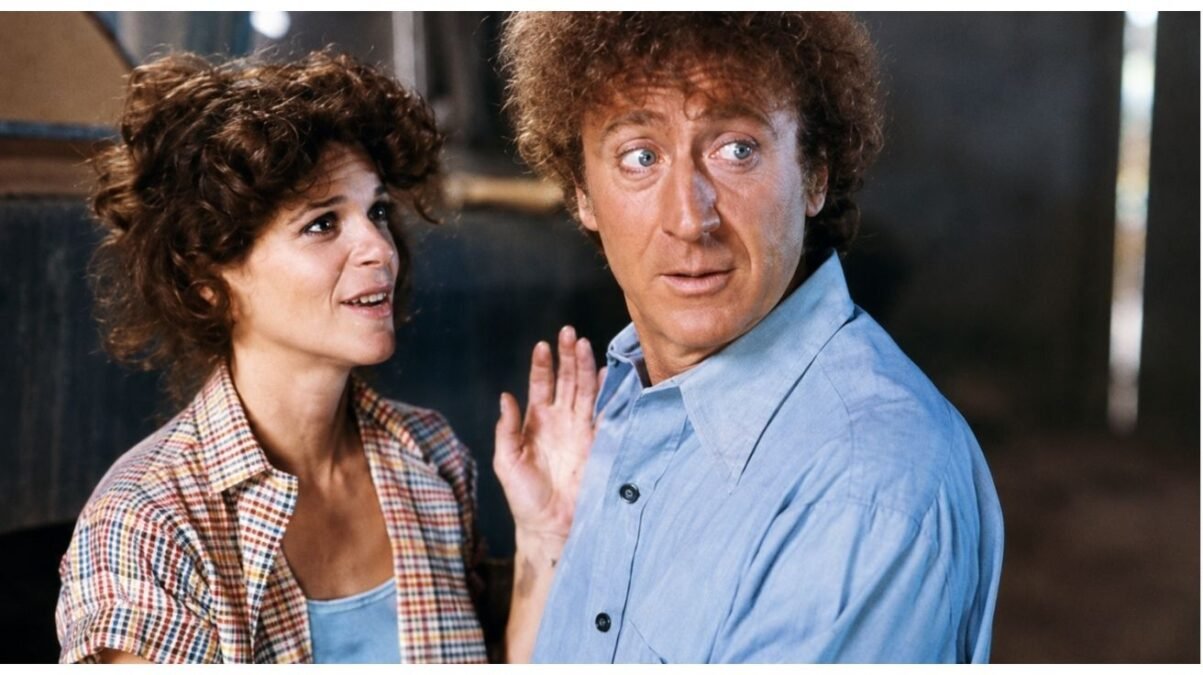
Wilder had previously been married to actress and playwright Mary Mercier. Their marriage began in 1960 and ended in 1965. A few months after that separation, Wilder started a relationship with Mary Joan Schutz, who was described in his biographical record as a friend of his sister.
This personal introduction distinguishes their story from a typical Hollywood romance formed on a film set. Mary’s connection to Wilder came through his family circle, and her daughter became central to the relationship. Their bond gradually developed into a blended-family arrangement rather than merely a celebrity partnership.
Marriage to Gene Wilder
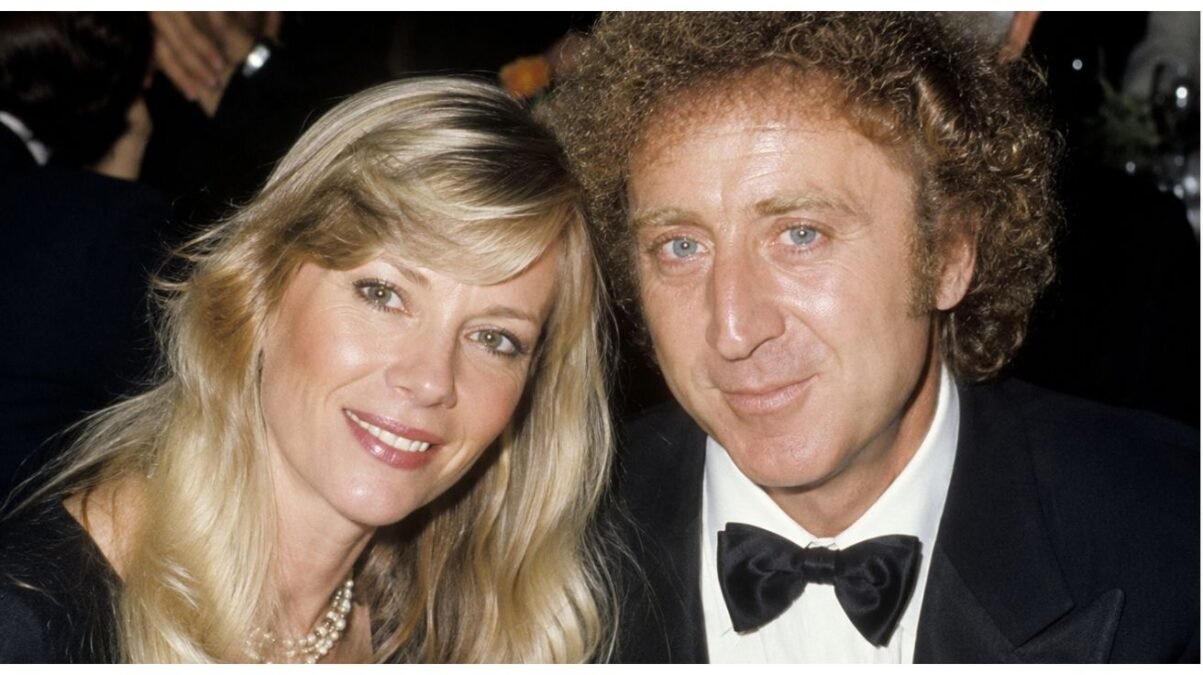
Mary Joan Schutz and Gene Wilder married on October 27, 1967. The date appears in established biographical references, which also identify the relationship as Wilder’s second marriage. Their union followed his 1965 divorce from Mary Mercier and began during the year in which Wilder’s movie career achieved a major breakthrough.
The marriage lasted for approximately seven years and ended in 1974. That relatively brief period was nevertheless transformative for Wilder. He became a widely recognized actor, received major award attention, played Willy Wonka, worked repeatedly with Mel Brooks, and developed into a screenwriter and filmmaker.
Mary Joan Schutz as a Mother
Before marrying Wilder, Mary was already the mother of Katharine, a daughter from an earlier marriage. This fact became the emotional foundation of the couple’s family story. Wilder did not simply become Mary’s husband; he developed a fatherly relationship with the child who was living within their new family unit.
Accounts of the relationship emphasize that Katharine began calling Wilder “Dad.” Her acceptance of him appears to have influenced his decision to formalize both relationships. Wilder married Mary and legally adopted Katharine, turning an emotional bond into a recognized parent-child relationship.
Gene Wilder’s Adoption of Katharine
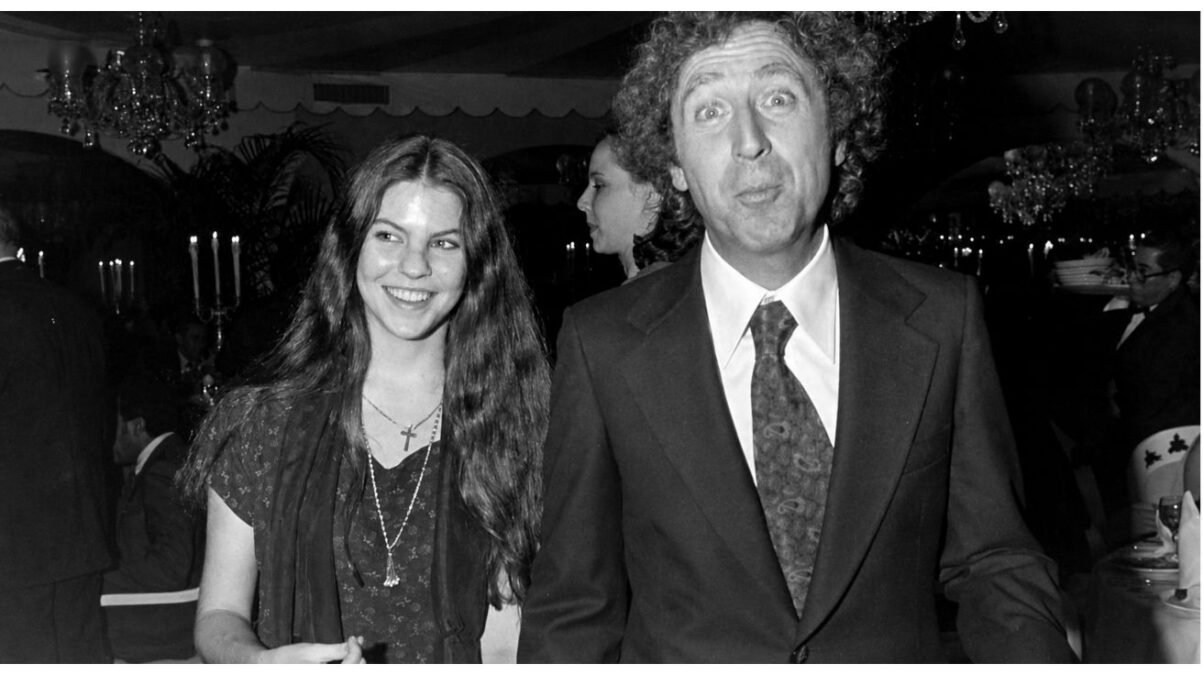
Wilder adopted Katharine in 1967, the same year he married her mother. Biography.com identifies Katharine as Mary’s daughter and states that Wilder adopted her after the marriage. She became the only child recognized in standard biographical profiles of his life.
The adoption is one of the most important facts in Mary Joan Schutz’s biography. Without her relationship with Wilder, Katharine would not have become part of his family history. The event also explains why later biographies discuss Mary even though she was not involved in Wilder’s films or professional projects.
Family Life During Wilder’s Breakthrough
The marriage began at a turning point in Wilder’s career. In 1967, he appeared in Bonnie and Clyde and delivered his breakthrough performance as Leo Bloom in The Producers. The Academy of Motion Picture Arts and Sciences records that the role earned him a nomination for Best Supporting Actor at the 1969 ceremony.
Mary and Katharine therefore experienced Wilder’s transition from a theater-trained actor into a nationally recognized film personality. Their household existed alongside auditions, productions, promotional obligations, and increasing fame, although Mary herself did not become a professional participant in that public career.
The Producers and a Changing Public Life
The Producers marked the beginning of Wilder’s celebrated collaboration with Mel Brooks. His nervous, emotionally charged performance as Leo Bloom introduced the comic style that later became his signature. Mary’s marriage to Wilder began during this breakthrough, linking her family story to the opening stage of his most influential screen period.
The film’s success changed the level of attention surrounding Wilder. He was no longer known mainly for theater and supporting television work. As his wife, Mary became connected to a rapidly rising actor, but biographical records continued to treat her as a private family figure rather than a Hollywood personality.
The Willy Wonka Years
In 1971, during his marriage to Mary, Wilder starred as Willy Wonka in Willy Wonka & the Chocolate Factory. The performance later became his most enduring role, admired for its combination of humor, mystery, warmth, and unpredictability. University of Iowa’s Wilder archive lists the film among the defining works of his career.
Mary was therefore part of Wilder’s private life when he created the character that would introduce him to generations of younger viewers. Although the surviving career record focuses naturally on Wilder’s performance, the chronology places Mary and Katharine within the family environment surrounding that major professional achievement.
Young Frankenstein and Marital Strain
By 1974, Wilder was working at a remarkably productive level. He co-wrote and starred in Young Frankenstein, which earned Wilder and Mel Brooks an Academy Award nomination for adapted screenplay. That same year also brought Blazing Saddles and The Little Prince, demonstrating how intensely his creative career was developing.
The family relationship was deteriorating during this period. Wilder’s biographical account states that Katharine suspected he was involved with Madeline Kahn, his Young Frankenstein co-star. That suspicion became associated with the breakup, while the firmly documented result was the end of Mary and Wilder’s marriage in 1974.
Separation and Divorce in 1974
Mary and Wilder separated after approximately seven years of marriage. Standard biographies and reference works place the end of their union in 1974. This brought to a close the household formed through their marriage and Wilder’s adoption of Katharine.
The divorce was important not only because it ended Wilder’s second marriage but because it changed his relationship with his daughter. Mary ceased to be part of his immediate household, while Katharine’s bond with her adoptive father became increasingly damaged after the separation.
For more interesting topics, visit Park Times
Katharine’s Estrangement From Gene Wilder
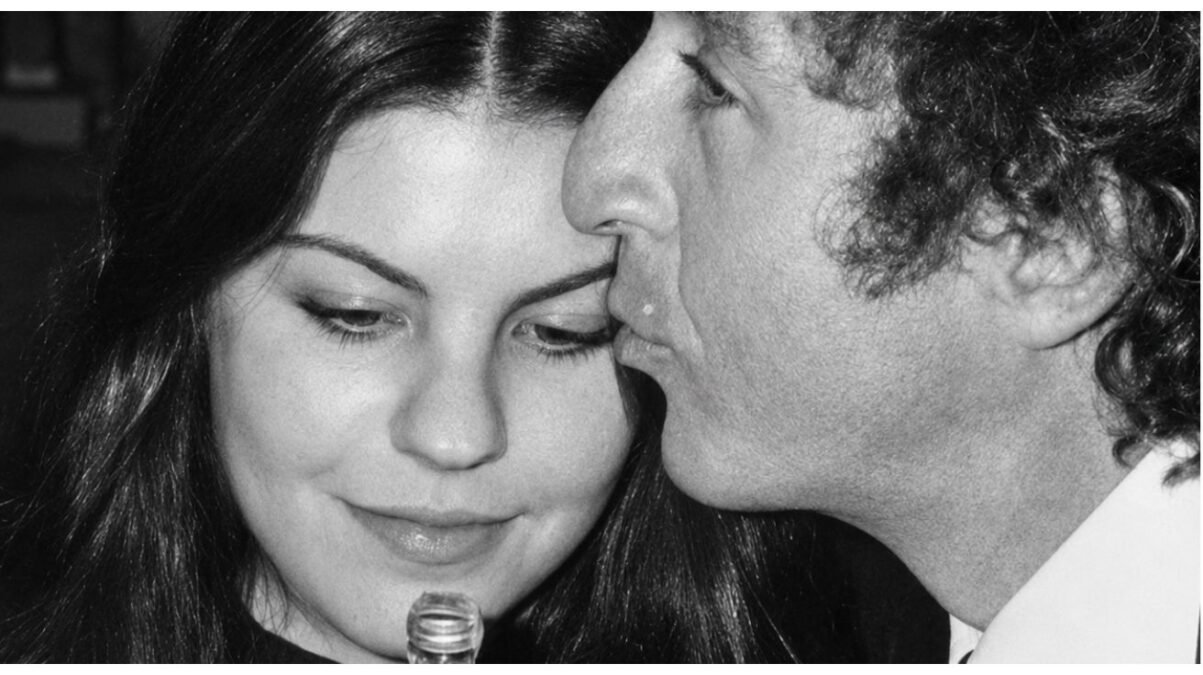
Following his separation from Mary, Gene Wilder became estranged from Katharine, the daughter he had legally adopted and raised as his own. The broken relationship made the divorce more emotionally significant, as Wilder also lost regular contact with the child who had once called him “Dad.”
The estrangement remained an important part of Wilder’s personal story. Although his marriage to Mary Joan Schutz ended in 1974, the family bond they had formed continued to influence later accounts of his private life, including memoirs, obituaries, and biographical profiles.
Mary’s Place in Wilder’s Defining Career Era
Mary’s marriage to Wilder covered the period from 1967 to 1974, a remarkably important stretch in his career. During those years, he appeared in The Producers, Start the Revolution Without Me, Willy Wonka & the Chocolate Factory, Blazing Saddles, The Little Prince, and Young Frankenstein.
This timeline gives Mary a distinctive place in Wilder’s life story. She was his spouse while he moved from breakthrough supporting actor to internationally recognized leading performer and Oscar-nominated screenwriter. Her importance is personal and chronological rather than based on direct involvement in his productions.
How Later Biographies Remember Her
Reference profiles remember Mary through three defining facts: she was Wilder’s second wife, she was Katharine’s biological mother, and Wilder adopted Katharine during the marriage. These details appear repeatedly because they explain the only parent-child relationship documented in Wilder’s biography.
Wilder later published the memoir Kiss Me Like a Stranger: My Search for Love and Art in 2005. The book covered his personal and professional life and became an important source for later summaries of his relationships, including the family formed with Mary and Katharine.
Life Away From Hollywood Publicity
Mary did not share Wilder’s documented identity as an actor, director, writer, producer, or public campaigner. The established record connects those professions to Wilder, whose papers at the University of Iowa contain scripts, contracts, correspondence, photographs, and production material covering his extensive creative career.
Her own media footprint remained centered on family history. This distinction is important because it prevents her biography from being filled with career achievements belonging to Wilder. Mary’s genuine significance lies in marriage, motherhood, adoption, and the private experiences surrounding a famous performer’s rise.
Public Record and Media Presence
Mary Joan Schutz’s public visibility is primarily archival and biographical. Her name appears in profiles of Gene Wilder, marriage chronologies, discussions of Katharine’s adoption, and accounts of Wilder’s personal relationships. She did not become a recurring figure in his film promotion or later charitable work.
This limited public role also explains why modern interest in Mary is largely historical. Readers encounter her while researching Wilder’s marriages, his only adopted child, or the personal circumstances surrounding his most celebrated career period rather than through self-published celebrity content.
Interesting Facts About Mary Joan Schutz
- Mary knew Gene Wilder through his sister before beginning a relationship with him.
- She was already a mother when she and Wilder started dating.
- Wilder adopted Katharine in 1967, the year he married Mary.
- Their marriage covered the release of The Producers, Willy Wonka, and Young Frankenstein.
- Mary was Gene Wilder’s second wife, and their marriage lasted about seven years.
Conclusion
Mary Joan Schutz is an important figure in Gene Wilder’s family history, even though she did not pursue his level of public fame. Their 1967 marriage joined Wilder with Mary and her daughter Katharine, creating a blended family during the beginning of his most successful period as an actor and writer.
Her lasting importance comes from Katharine’s adoption, the seven-year marriage, and the emotional consequences of the 1974 divorce. A careful biography of Mary is therefore not a collection of unsupported celebrity statistics but a documented account of marriage, motherhood, family change, and her connection to one of cinema’s most admired performers.
FAQs
Who is Mary Joan Schutz?
Mary Joan Schutz is best known as Gene Wilder’s second wife and the mother of Katharine, whom Wilder legally adopted in 1967.
When did Mary Joan Schutz marry Gene Wilder?
Mary and Gene Wilder married on October 27, 1967, during the year Wilder achieved his major breakthrough in The Producers.
Did Mary Joan Schutz have children?
Mary was the biological mother of Katharine, who became Gene Wilder’s legally adopted and only recognized daughter in 1967.
How long were Mary Joan Schutz and Gene Wilder married?
Their marriage lasted approximately seven years, beginning in October 1967 and ending with their separation and divorce in 1974.
Why is Mary Joan Schutz still remembered?
She remains notable for her family connection to Gene Wilder, particularly their marriage and Wilder’s adoption of her daughter Katharine.
Read More: Jake Webber Height and Age: A Look at the Creator’s Profile
